Understanding Natural Supplements in Daily Life
An educational exploration of how natural supplements have become part of everyday routines for many men across different cultures and lifestyles.
Read more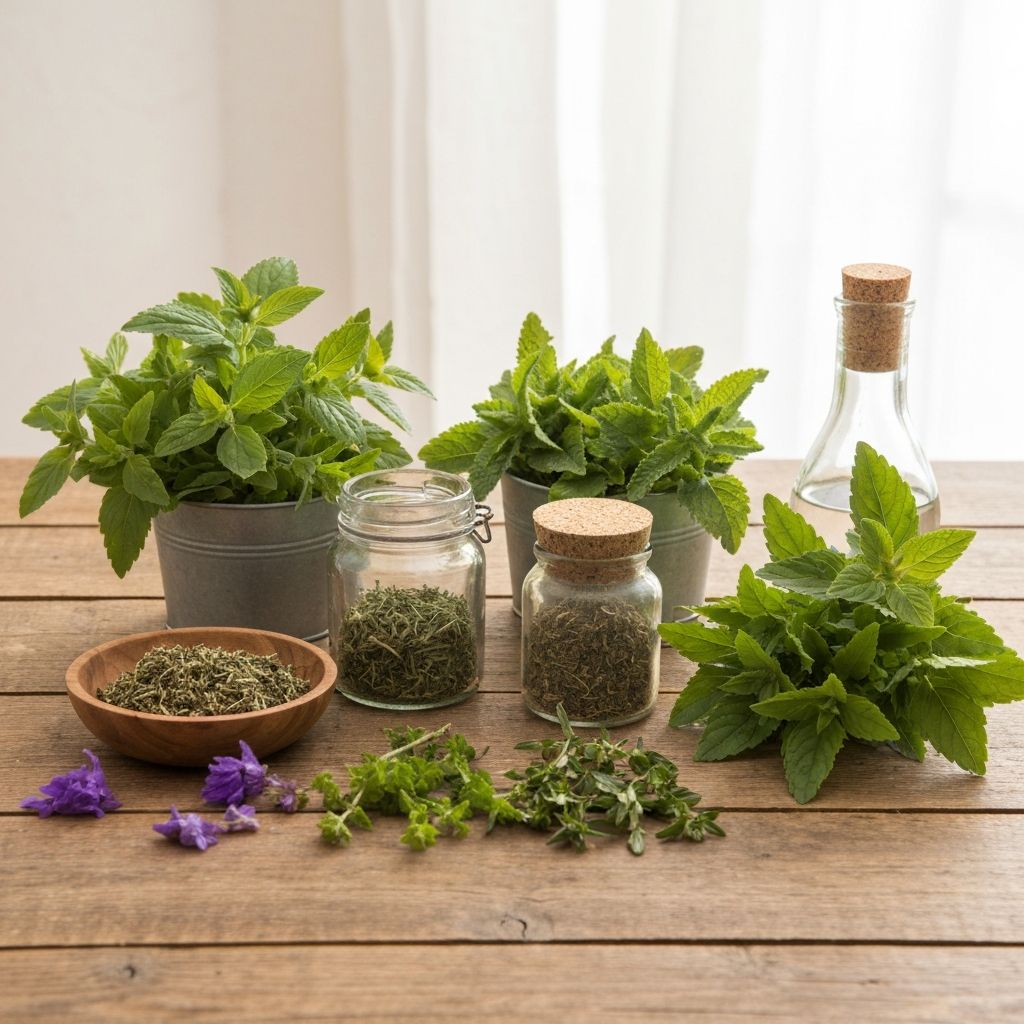
An educational exploration of how natural supplements have become part of everyday routines for many men across different cultures and lifestyles.
Read more
Natural supplements represent a broad category of products derived from plant, mineral, and food sources. These products have gained recognition as part of everyday lifestyle choices for individuals seeking to incorporate additional nutrients into their daily routines.
The concept of supplementation extends beyond simple nutrition, touching on cultural traditions, personal preferences, and individual approaches to daily wellness practices. This educational resource aims to provide context and general knowledge about this widely discussed topic.
It is important to note that natural supplements are not medical interventions and should not be viewed as solutions to specific conditions. Rather, they represent one aspect of how individuals approach their overall lifestyle and daily habits.
The use of plant-based materials for nutritional purposes has roots that extend thousands of years across various civilizations. Ancient cultures in Asia, Europe, and other regions incorporated herbs, roots, and botanical preparations into their daily practices.
Historical texts document how different societies developed unique traditions around the use of natural materials. These traditions were often passed down through generations and became integral parts of cultural identity and everyday life.
In modern times, this historical context has evolved into contemporary perspectives on natural supplements, blending traditional knowledge with current understanding of nutrition and lifestyle practices.
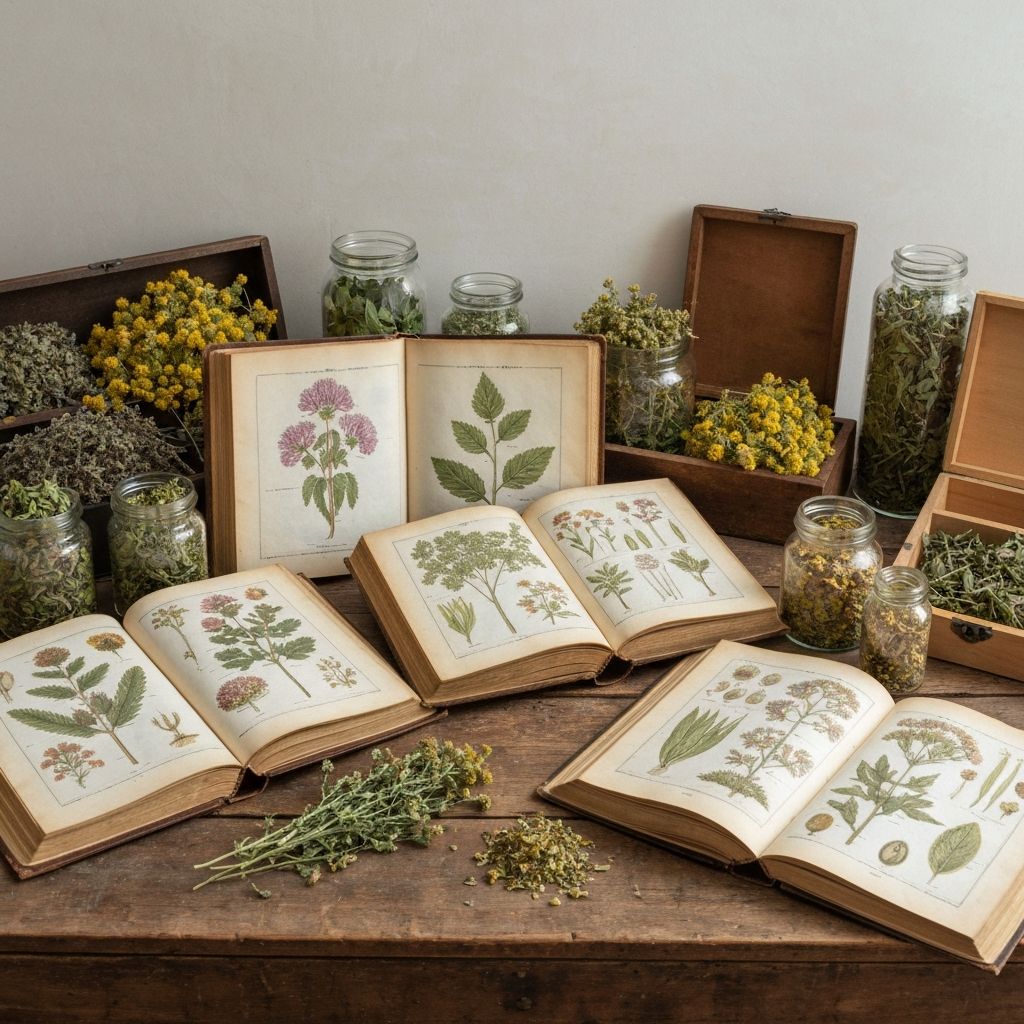
Natural supplements typically contain ingredients sourced from various botanical and food sources. Understanding these ingredients helps individuals make informed decisions about their daily routines.
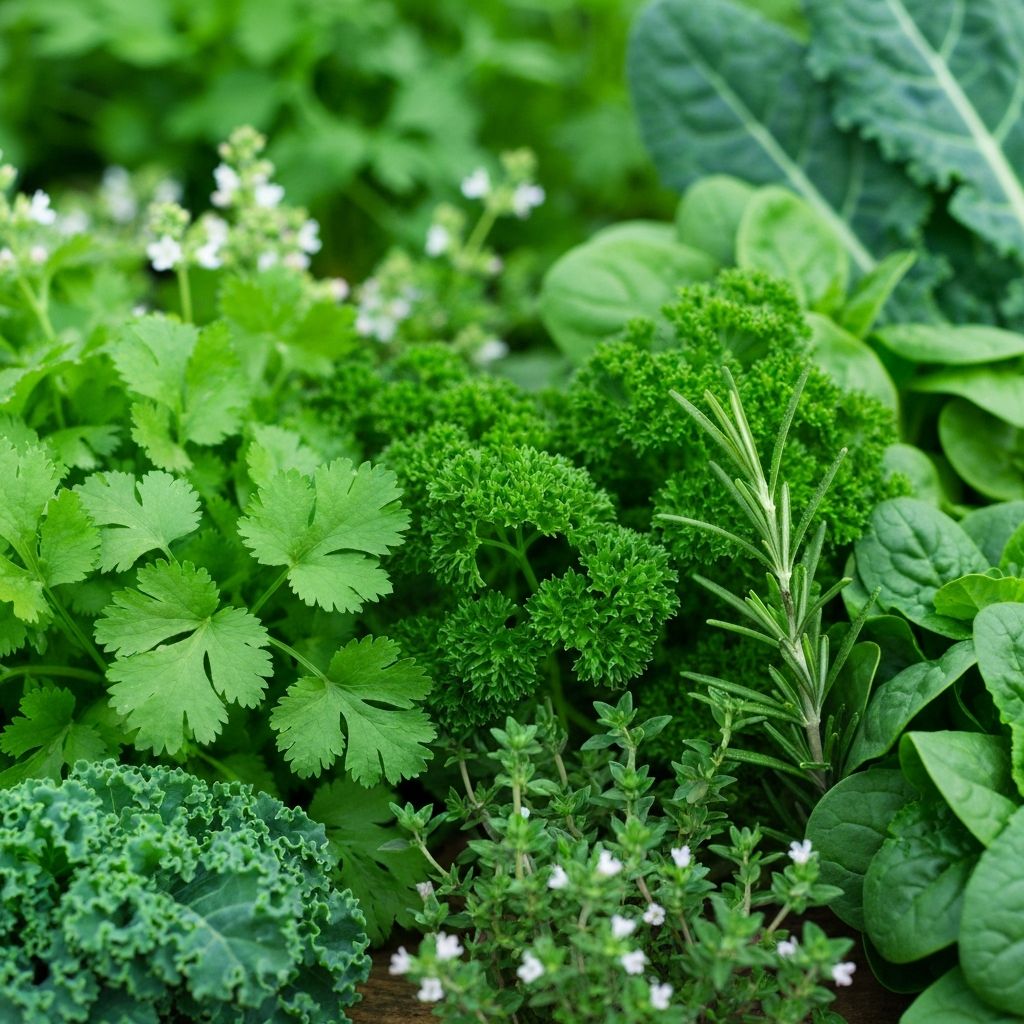
Derived from leaves, roots, and stems of various plants, these ingredients have been used across cultures for their nutritional properties.
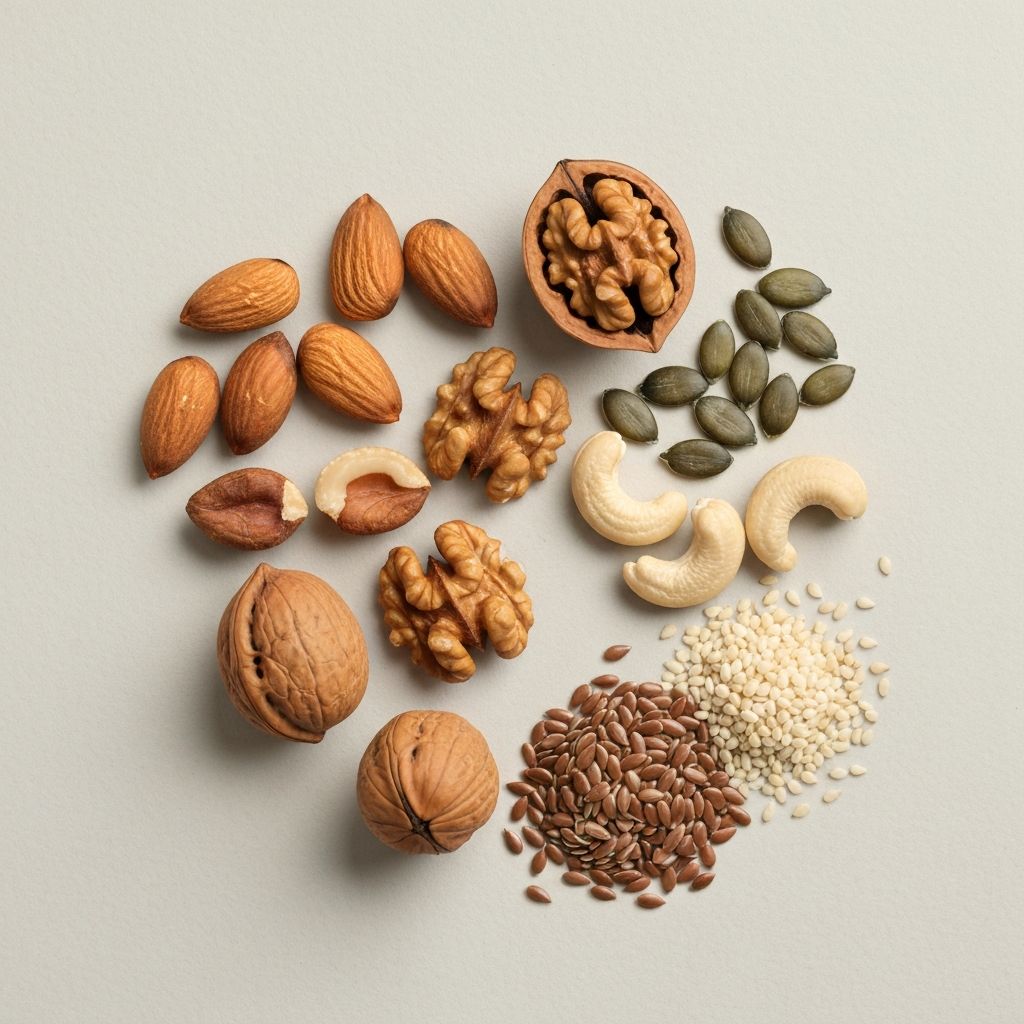
Common sources of naturally occurring nutrients, seeds and nuts provide various minerals and organic compounds found in everyday diets.
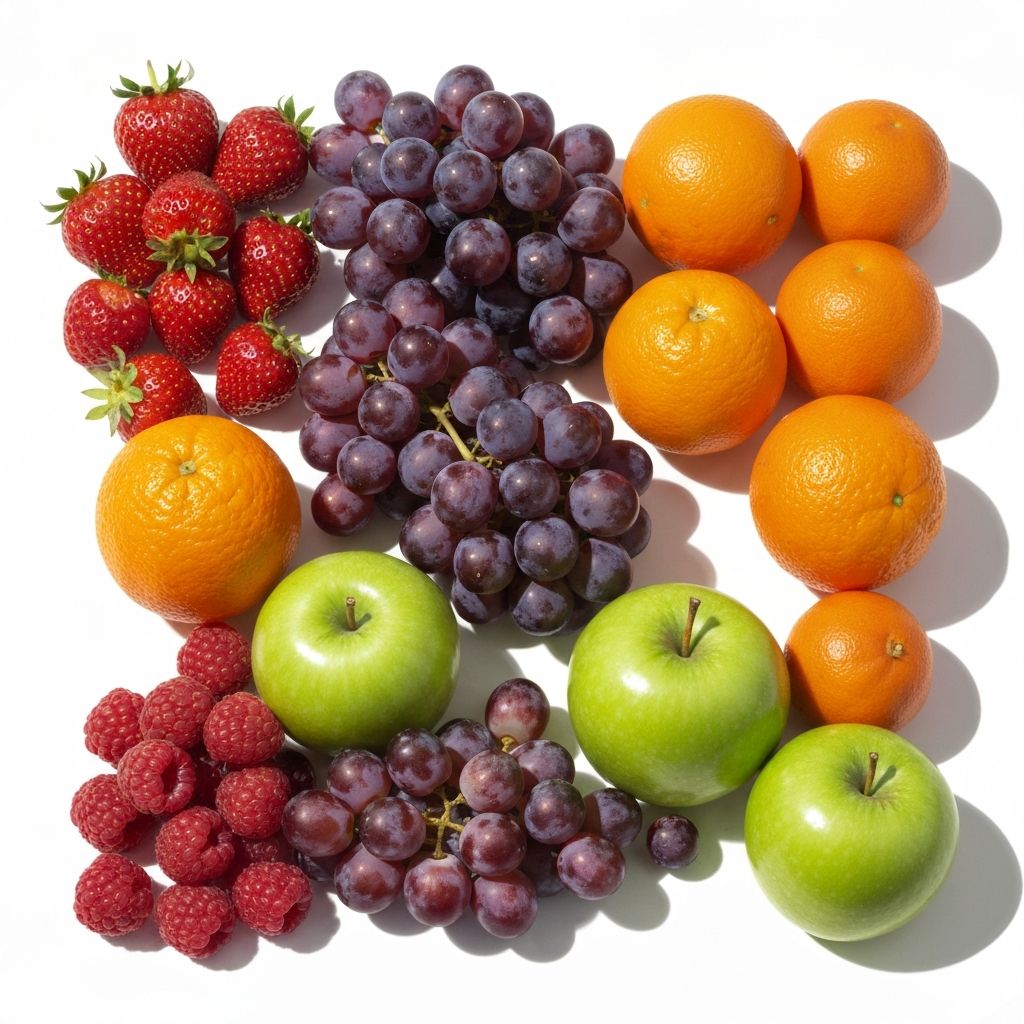
Concentrated forms of nutrients found in fruits, these extracts represent naturally occurring vitamins and antioxidants.
In the context of men's daily routines, natural supplements have become a common topic of discussion. Various formulations exist that incorporate different combinations of botanical ingredients, vitamins, and minerals.

Products designed to complement everyday dietary intake with additional vitamins and minerals from natural sources.
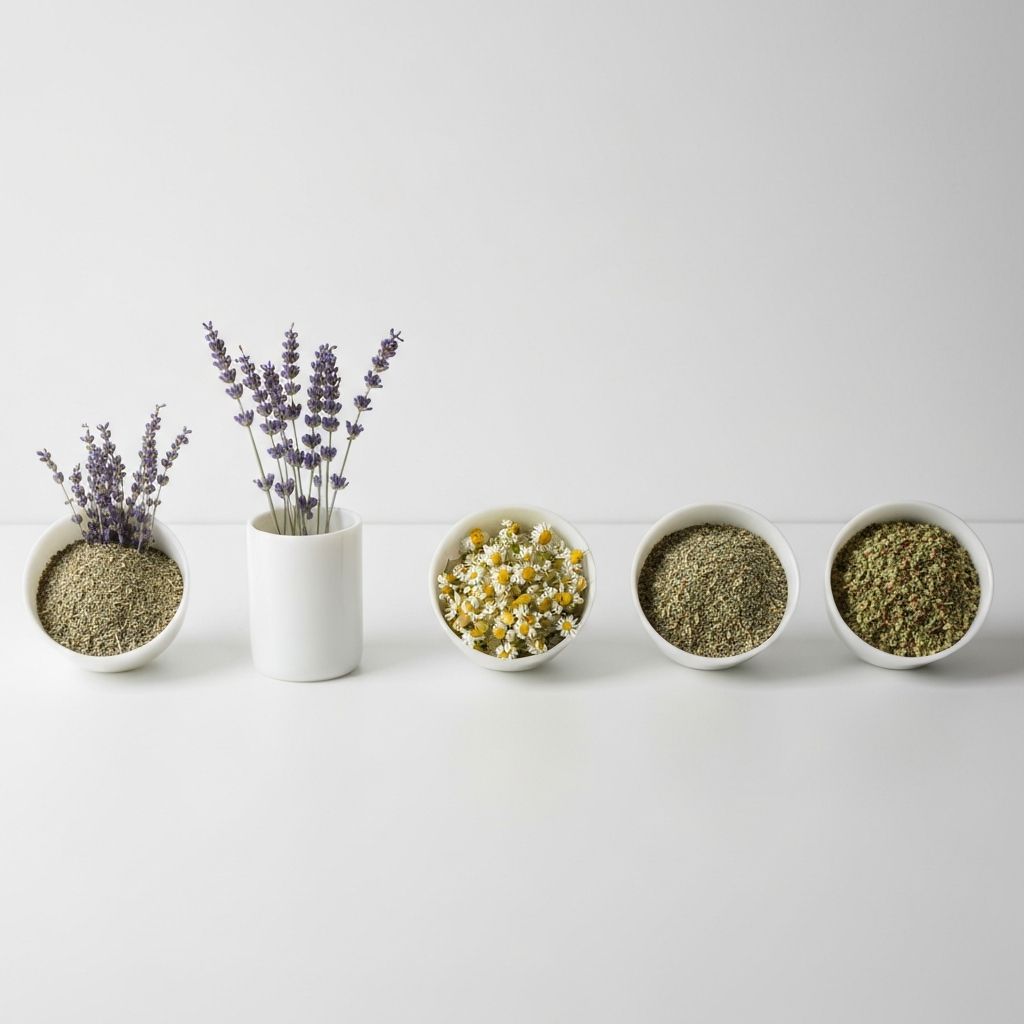
Combinations of herbs and plant materials that have been part of various cultural traditions for generations.
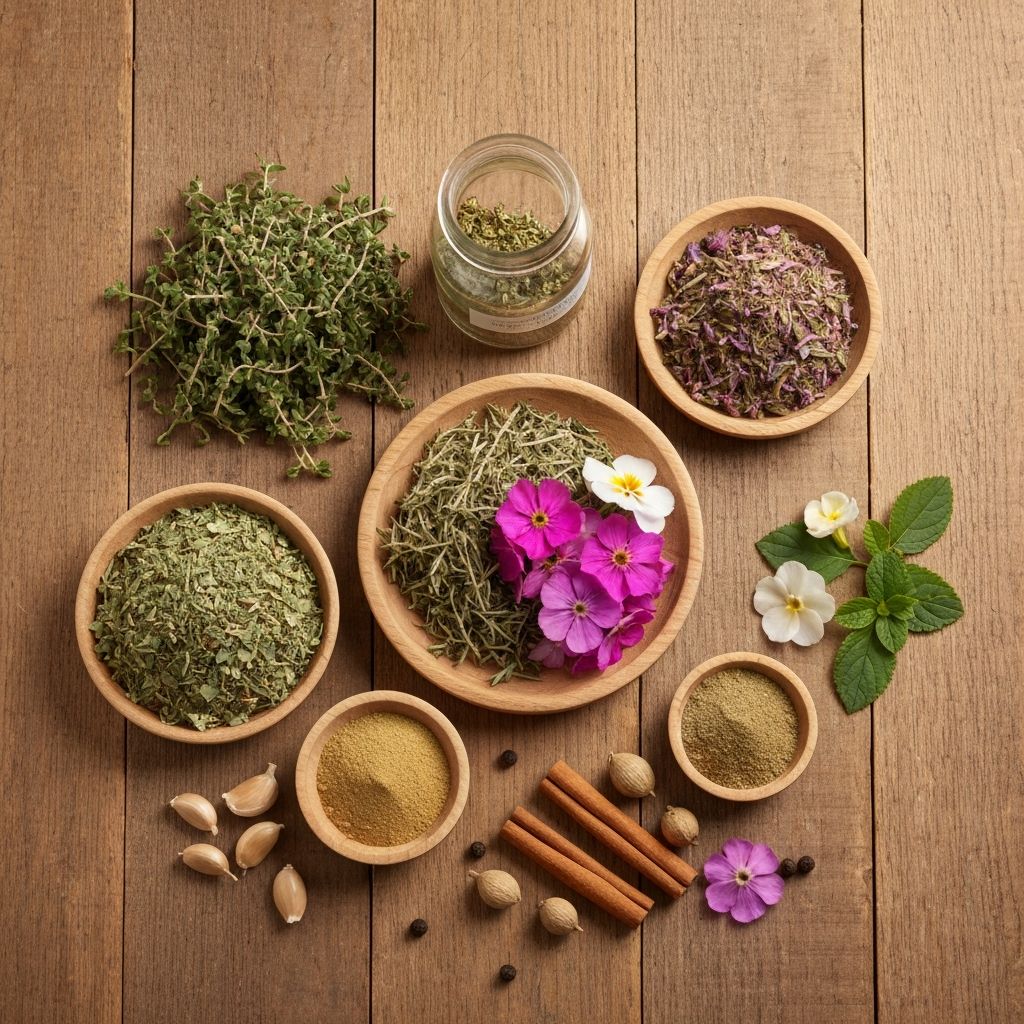
Supplements derived from concentrated whole food sources, providing nutrients in forms similar to their natural occurrence.
These products are intended as additions to regular dietary patterns and lifestyle practices, not as replacements for balanced nutrition or professional guidance.
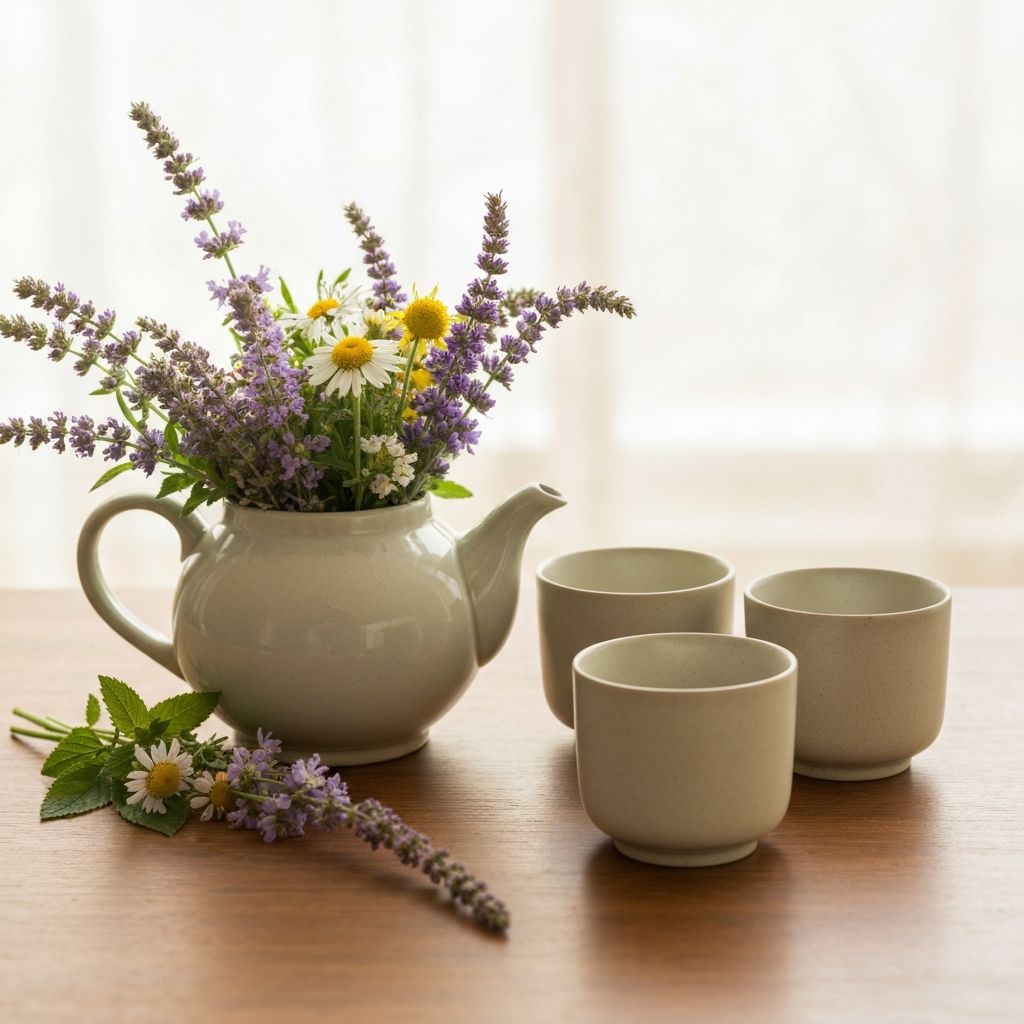
European cultures have long-standing traditions related to botanical preparations and natural nutrition. Different regions have developed unique perspectives on incorporating natural materials into daily life.
In Germany and surrounding areas, there exists a cultural appreciation for natural products and traditional botanical knowledge. This cultural context influences how individuals approach questions of nutrition and lifestyle choices.
These perspectives are shaped by historical practices, regional traditions, and contemporary approaches to personal wellness routines. They reflect broader cultural values around natural living and informed personal choices.
The decision to incorporate natural supplements into daily routines is often connected to broader lifestyle considerations. These may include dietary patterns, activity levels, stress management approaches, and personal wellness philosophies.
Many individuals view supplementation as one component of a comprehensive approach to daily living that also includes nutrition, physical activity, rest, and stress awareness. This holistic perspective recognizes that no single element exists in isolation.
Understanding this broader context helps frame natural supplements not as isolated interventions, but as elements within a larger framework of personal lifestyle choices and daily habits.

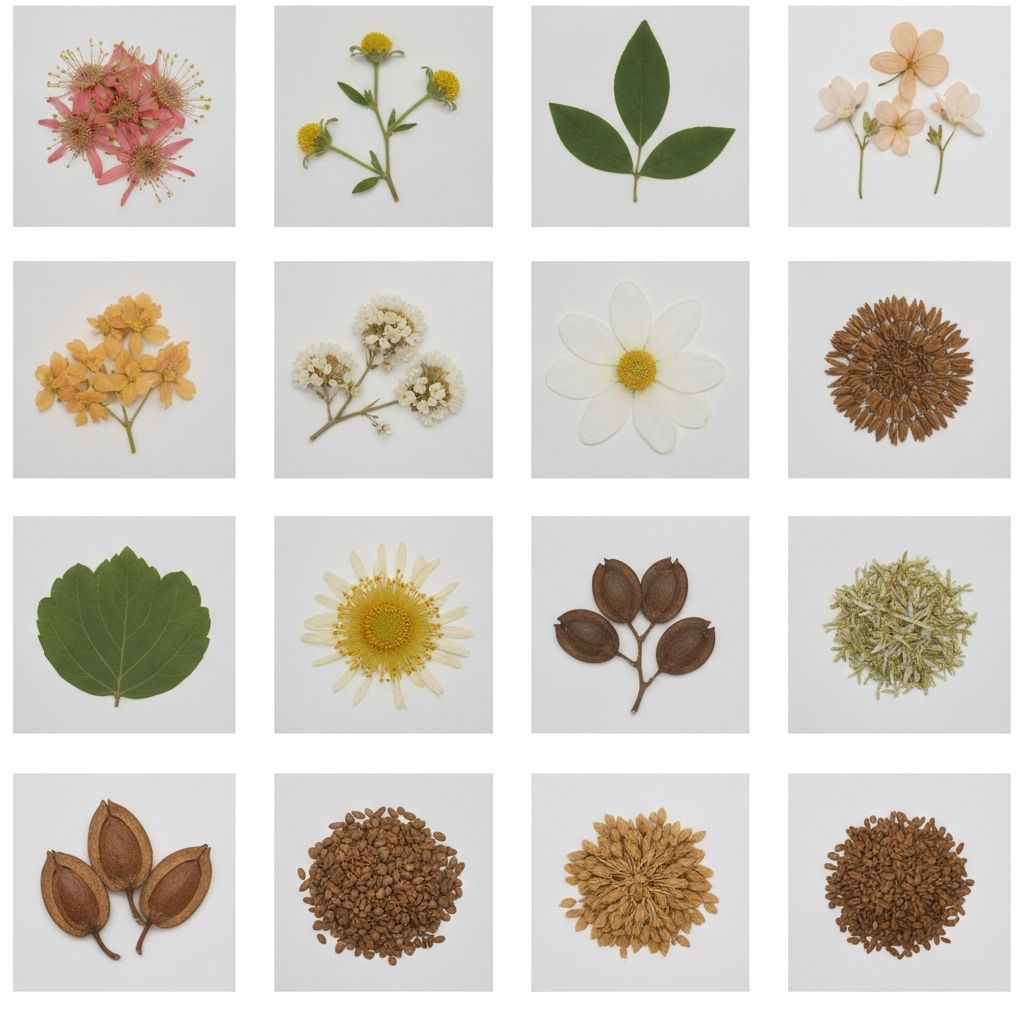
Natural supplements can be categorized in various ways based on their ingredient sources and forms. These classifications help individuals understand the diverse landscape of available products.
Supplements may be derived from single botanical sources or combinations of multiple plant materials. Some focus on mineral content from natural sources, while others emphasize vitamins found in whole foods.
Different production approaches include dried extracts, concentrated powders, or minimally processed whole food forms. Each method represents a different philosophy in maintaining the integrity of natural ingredients.
Some supplements are based on ingredients with long histories in specific cultural traditions, while others represent more modern combinations of nutrients supported by contemporary nutritional science.
Natural supplements are products containing ingredients derived from botanical, mineral, or whole food sources. They are designed to complement regular dietary intake with additional nutrients.
Individuals often include supplements as part of their morning or evening routines, typically alongside meals. The specific timing and approach varies based on personal preferences and individual lifestyle patterns.
Important considerations include understanding ingredient sources, recognizing that supplements are not medical treatments, being aware of individual dietary needs, and seeking information from reliable educational sources.
No, there is significant diversity in formulations, ingredient sources, processing methods, and quality standards. This diversity reflects different philosophies and approaches to natural supplementation.
Cultural traditions have historically shaped how different societies view and use natural botanical materials. These traditions continue to influence contemporary perspectives on supplementation and wellness practices.
Important contextual information:
This website provides educational content only. The information presented here is not personalized advice and does not constitute medical, diagnostic, or treatment recommendations.
Natural supplements represent one aspect of lifestyle choices and should not be viewed as solutions to specific conditions or as replacements for professional consultation.
Individual experiences with supplements vary widely based on numerous factors including dietary patterns, lifestyle habits, genetic factors, and overall health context. No general information can predict individual outcomes.
The content on this site is intended to provide general educational context about natural supplements in everyday life. It should not be interpreted as guidance for specific actions or decisions.
Readers are encouraged to gather information from multiple sources and consider their individual circumstances when making any lifestyle decisions.
The information presented on this site draws from general knowledge about nutrition, botanical sciences, and cultural practices related to natural supplements.
Educational resources in this field include academic texts on nutrition, historical documentation of botanical use across cultures, and contemporary discussions of dietary supplementation in public health contexts.
Individuals interested in deeper exploration of these topics may find value in academic libraries, nutrition education programs, and cultural history resources that document traditional practices around natural materials.
This site serves as an introductory educational resource, providing context and general knowledge rather than comprehensive academic coverage of all aspects of supplementation.
This educational resource aims to provide foundational knowledge about natural supplements in the context of everyday lifestyle choices. We encourage continued exploration of this topic through diverse educational sources.
Learn about this resource | Explore additional context